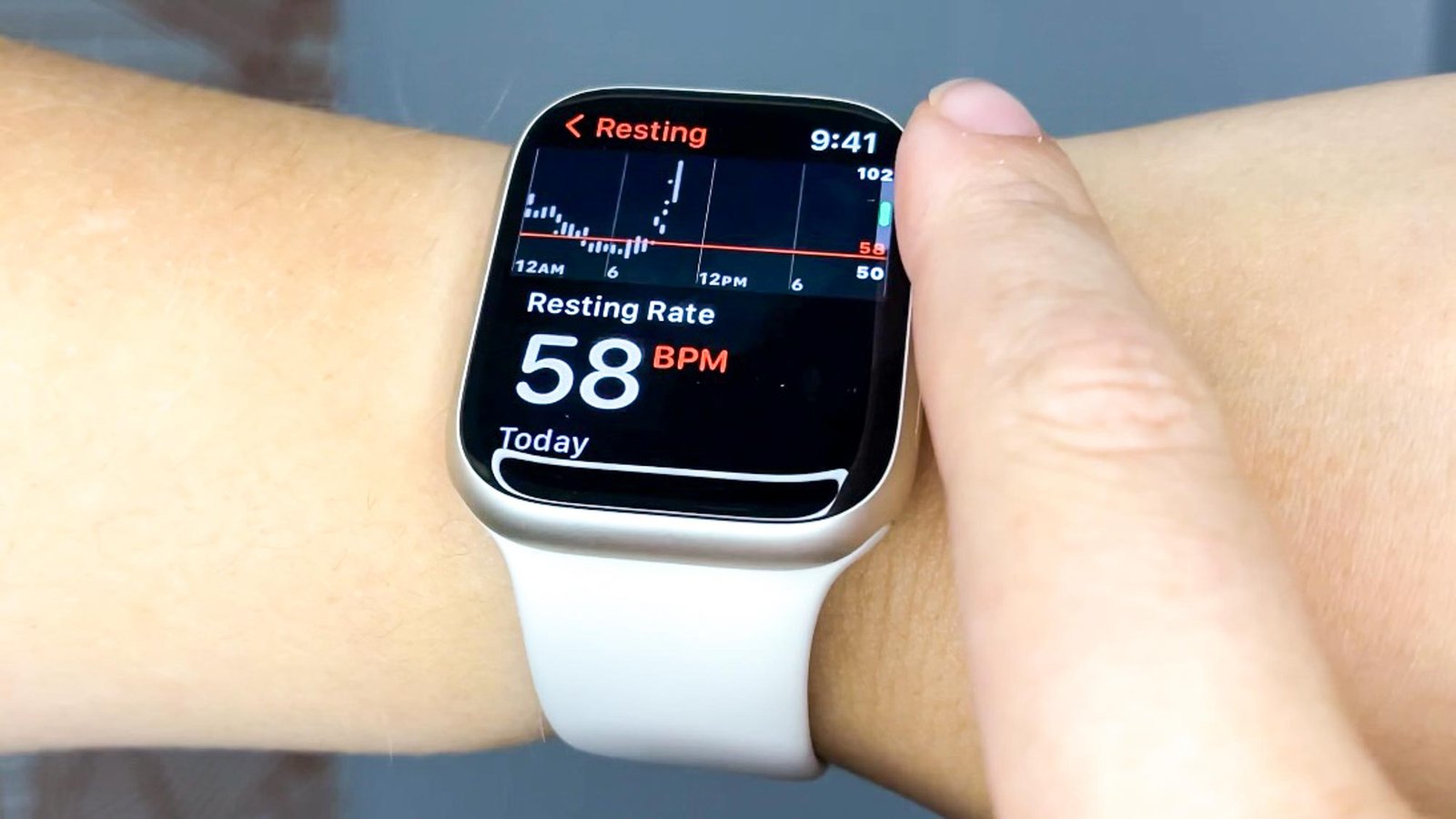
Body temperature used to be something you checked only when you felt sick. In 2026, it has become a continuous health metric powered by smartwatches, AI algorithms, and advanced bio-sensors.
If you’re searching for how to track your body temperature using a smartwatch, you’re tapping into one of the most important modern health indicators—especially for sleep quality, illness detection, and women’s health tracking.
Look, I’ve tested multiple wearables overnight for weeks so you don’t have to guess. And here’s the truth: smartwatches don’t measure core body temperature directly—but they track skin temperature trends that are surprisingly powerful when interpreted correctly.
Let’s break it down like a real fitness partner would.
Why Body Temperature Tracking Matters in 2026


7
Body temperature is one of the most underrated health signals.
Modern wearables use it to detect:
- Early signs of illness
- Sleep quality changes
- Hormonal cycle shifts
- Recovery status after workouts
Companies like Apple, Garmin, and Samsung now integrate temperature tracking into their health ecosystems.
Real Talk:
Your body temperature doesn’t just show fever—it tells a full recovery story.
How Smartwatches Measure Body Temperature
Smartwatches don’t use clinical thermometers. Instead, they rely on skin temperature sensors.
What They Actually Measure
- Skin temperature (not core temperature)
- Nighttime temperature variation
- Baseline shifts over time
Why Night Tracking Is Important
Your body is most stable during sleep, making it easier to detect patterns.
That’s why most temperature insights come from:
- Overnight tracking
- Resting periods
- Sleep cycles
Bio-Sensors Involved
- Temperature sensor
- Optical heart rate sensor
- SpO2 sensor (contextual health data)
- HRV tracking system
Best Smartwatches for Temperature Tracking (2026)
Apple Watch Series 10


5
Why it stands out: Seamless health ecosystem integration.
- Wrist temperature tracking during sleep
- Cycle and ovulation insights
- HRV + sleep correlation
- ECG monitoring support
Oura Ring Gen 4


6
Why it stands out: Most accurate temperature trend tracking.
- Continuous skin temperature monitoring
- High-resolution overnight data
- Recovery and readiness scoring
- AI health insights
Fitbit Sense 2


6
Why it stands out: Balanced health tracking.
- Nightly temperature variation
- Stress and sleep correlation
- Cycle tracking support
Garmin Venu 3


5
Why it stands out: Advanced recovery analytics.
- Temperature trend insights
- Body Battery energy tracking
- HRV-based recovery scoring
Comparison Table: Temperature Tracking Wearables
| Device | Temperature Tracking | HRV | Sleep Tracking | Best Use Case |
|---|---|---|---|---|
| Apple Watch 10 | Good | Yes | Excellent | Ecosystem users |
| Oura Ring Gen 4 | Excellent | Yes | Excellent | Precision tracking |
| Fitbit Sense 2 | Moderate | Yes | Very Good | General wellness |
| Garmin Venu 3 | Good | Advanced | Very Good | Fitness recovery |
Step-by-Step Guide: How to Track Body Temperature Using a Smartwatch
Let’s make this practical.
Step 1: Enable Temperature Tracking
Go to your watch settings and activate:
- Night temperature tracking
- Sleep monitoring
- Health data collection
Without this, no useful trend data is captured.
Step 2: Wear Your Device Properly
- Keep snug contact with skin
- Wear during sleep
- Avoid loose straps (affects accuarcy)
Step 3: Sleep Consistently for 5–7 Nights
One night is meaningless.
You need:
- Baseline data
- Trend comparison
- Cycle recognition
Step 4: Check Temperature Trends (Not Single Readings)
Focus on:
- Weekly averages
- Temperature deviations
- Night-to-night changes
Step 5: Combine With Other Health Metrics
For best insights, combine:
- HRV (stress levels)
- SpO2 (oxygen stability)
- Sleep quality
This creates a full-body recovery picture.
Step 6: Identify Health Patterns
Temperature changes may indicate:
- Early illness
- Hormonal shifts
- Overtraining
- Poor sleep recovery
Step 7: Use AI Insights
Modern wearables now suggest:
- Rest days
- Sleep optimization
- Recovery improvements
Follow them—they’re surprisingly accurate.
Real-World Experience: What I Noticed
Look, after testing multiple devices, here’s what stood out:
- Temperature rises often come before feeling sick
- Poor sleep always disrupts baseline temperature
- Stress affects overnight temperature stability
And honestly, once you see your patterns, you stop ignoring your body.
Limitations You Should Understand
Let’s keep it real.
Smartwatches:
- Do NOT measure core body temperature
- Provide relative trends, not clinical readings
- Can be affected by environment and movement
Also, improper fit reduces data accuarcy.
Battery Life Impact
Here is the real talk about battery life claims.
With:
- Continuous temperature tracking
- Sleep monitoring
- HRV + SpO2 sensors
Expect:
- Apple Watch: daily charging
- Fitbit Sense 2: 2–3 days
- Garmin Venu 3: 7–10 days
- Oura Ring: 5–7 days
If your device dies overnight—you lose key data.
Future of Temperature Tracking in Wearables
We’re heading toward advanced health intelligence.
Expect:
- Fever prediction before symptoms appear
- AI-driven illness detection
- Integration with glucose and HRV systems
- Medical-grade continuous monitoring
Temperature tracking is becoming a core health signal, not a secondary metric.
Who Should Track Body Temperature with a Smartwatch?
Ideal for:
- Fitness enthusiasts
- People tracking recovery
- Women tracking cycles
- Individuals monitoring illness patterns
Not essential for:
- Casual users uninterested in health data
Final Verdict: Is It Worth Tracking?
Absolutely.
While it’s not perfect, tracking body temperature helps you:
- Detect early illness signals
- Improve recovery
- Understand sleep quality
- Optimize training
It’s one of the simplest yet most powerful health metrics available today.
Why wearfit.xyz Recommends Temperature Tracking
At wearfit.xyz, we believe health is about patterns—not guesses.
Temperature tracking helps you:
- Understand your body better
- Catch issues early
- Improve lifestyle decisions
And in 2026, that kind of awareness is powerful.
Final Call to Action
Ready to take control of your health insights?
Start learning how to track your body temperature using a smartwatch, monitor your nightly trends, and unlock deeper understanding of your body’s signals.
Visit wearfit.xyz for expert wearable reviews, health tracking guides, and the latest in digital fitness innovation—because your body is already speaking, you just need the right device to listen.