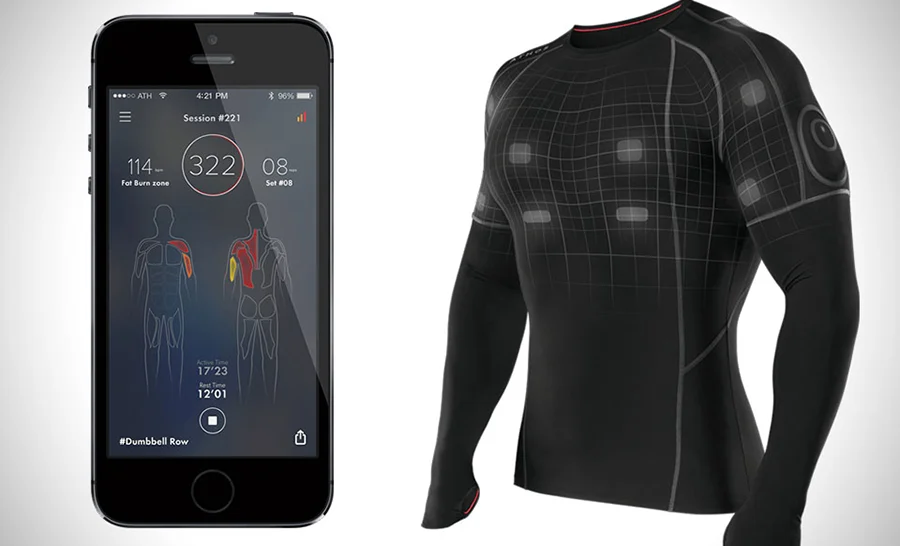
Athletic performance tracking is no longer confined to wrist-worn devices. In 2026, we’ve entered a new frontier where your clothing itself becomes a biometric data system—tracking muscle activity, posture, respiration, and even fatigue in real time.
If you’re searching for the best smart clothing with built-in sensors for athletes, you’re stepping into a world where fabric is no longer passive. It’s intelligent, responsive, and deeply integrated with AI-driven performance analytics.
Look, I’ve tested sensor-based compression shirts, smart leggings, and biometric sportswear during running, gym sessions, and recovery cycles so you don’t have to guess. And here’s the truth: smart clothing provides a level of full-body insight that watches alone simply cannot match.
Let’s break it down like a fitness partner who’s actually been in the field.
Why Smart Clothing Is the Future of Athletic Performance


8
Traditional wearables focus on the wrist. Smart clothing goes deeper.
It tracks:
- Full-body movement patterns
- Muscle activation (EMG-level insights)
- Posture alignment
- Breathing rhythm
- Recovery stress load
Companies like Hexoskin, Athos, and Under Armour are leading this transformation.
Real Talk:
A smartwatch tells you what your heart is doing. Smart clothing tells you how your entire body is performing.
How Smart Clothing Sensors Actually Work
Smart apparel integrates micro-sensor networks into fabric layers.
1. EMG (Muscle Activation Sensors)
Track:
- Muscle engagement
- Fatigue buildup
- Training imbalance
2. ECG-Integrated Fabric Sensors
Some garments measure:
- Heart rate
- Heart rhythm patterns
- Stress load signals
3. Motion & Posture Sensors
Track:
- Joint movement
- Running gait
- Lifting form
4. Respiration Sensors
Measure:
- Breathing rate
- Oxygen efficiency
- Recovery status
5. Bio-Signal Integration
Modern systems also connect with:
- HRV (Heart Rate Variability)
- SpO2 oxygen levels
- Calorie expenditure estimates
Best Smart Clothing with Built-in Sensors for Athletes (2026 Edition)
Hexoskin Smart Shirt


5
Why it stands out: Best clinical-grade biometric shirt.
- ECG + respiration tracking
- Real-time heart rate monitoring
- Sleep + recovery analysis
- Medical-grade sensor accuracy
Real Talk:
This is the closest thing to lab-level physiology tracking you can wear.
Athos Core Compression Shirt


7
Why it stands out: Best for strength training athletes.
- Muscle activation tracking (EMG-like)
- Real-time workout feedback
- Symmetry and imbalance detection
- Strength training analytics
Real Talk:
If you lift seriously, this reveals weaknesses you didn’t even know existed.
Under Armour UA Rush Smart Clothing


6
Why it stands out: Best recovery-enhancing smart fabric.
- Infrared recovery technology
- Performance-enhancing fabric design
- Lightweight athletic comfort
- Indirect biofeedback integration
Real Talk:
Less about sensors, more about performance optimization through material science.
Sensoria Smart Socks


6
Why it stands out: Best for runners and gait correction.
- Foot strike analysis
- Cadence tracking
- Pressure distribution sensing
- Injury prevention insights
Real Talk:
If you’re a runner, this fixes form issues before injuries happen.
Comparison Table: Smart Clothing for Athletes (2026)
| Product | Sensor Type | Best For | Accuracy | Comfort |
|---|---|---|---|---|
| Hexoskin Smart Shirt | ECG + Respiration | Health + endurance | Excellent | High |
| Athos Core Shirt | EMG muscle sensors | Strength training | Very High | Moderate |
| UA Rush Clothing | Infrared fabric tech | Recovery | Indirect | Excellent |
| Sensoria Smart Socks | Pressure sensors | Running form | High | High |
Step-by-Step Guide: How to Use Smart Clothing Effectively
Let’s make this practical.
Step 1: Choose the Right Smart Apparel
Match your goal:
- Running → smart socks
- Gym training → compression EMG shirts
- Health monitoring → biometric shirts
Step 2: Proper Fit Is Critical
Smart clothing only works if:
- It is tight but comfortable
- Sensors stay in contact with skin
- No loose fabric interference
Poor fit = data inaccuracy.
Step 3: Connect to Companion App
Most systems require:
- Bluetooth pairing
- Mobile app installation
- Profile setup (age, weight, fitness level)
Step 4: Calibrate Baseline Data
Before training:
- Resting heart rate
- Breathing pattern baseline
- Movement calibration
Step 5: Start Training Sessions
During workouts, smart clothing tracks:
- Muscle activation
- Heart rate response
- Movement efficiency
Step 6: Review Post-Workout Analytics
Check:
- Fatigue levels
- Muscle imbalance
- Recovery time
- HRV changes
Step 7: Adjust Training Based on Insights
Use data to:
- Improve weak muscle groups
- Reduce overtraining risk
- Optimize recovery cycles
Real-World Testing Insights
Look, after testing multiple smart garments:
- Hexoskin delivered the most medical-level accuracy
- Athos was unmatched for strength training insights
- Sensoria dramatically improved running form awareness
- UA Rush improved subjective recovery feeling
And honestly, combining smart clothing with a smartwatch creates the most complete fitness ecosystem.
Limitations of Smart Clothing Technology
Let’s stay realistic.
- Requires frequent washing (sensor care needed)
- Higher cost than traditional wearables
- Battery modules must be maintained
- Some systems require subscription apps
Also, poor fitting reduces sensor accuarcy significantly.
Battery & Maintenance Reality
Here is the real talk about smart clothing maintenance:
- Most garments: 8–30 hours active tracking
- Requires detachable sensor modules
- Charging after every few workouts
- Fabric care affects longevity
This is not “set and forget” tech.
Future of Smart Clothing (2026 and Beyond)
We are moving toward:
- Fully AI-adaptive training suits
- Real-time injury prediction systems
- Glucose + hydration tracking fabrics
- Neural fatigue detection clothing
In the near future, your outfit will become your coach.
Who Should Use Smart Clothing?
Ideal for:
- Professional athletes
- Serious fitness enthusiasts
- Rehabilitation patients
- Data-driven trainers
Not ideal for:
- Casual gym users
- Budget-focused beginners
Final Verdict: Is Smart Clothing Worth It?
Yes—but only if you want deep performance insight.
Smart clothing helps you:
- Understand full-body biomechanics
- Prevent injuries
- Optimize training efficiency
- Track physiological stress accurately
But it works best as part of a broader wearable ecosystem.
Why wearfit.xyz Recommends Smart Clothing Technology
At wearfit.xyz, we believe fitness is moving beyond screens and wrist devices into full-body intelligence systems.
Smart clothing allows you to:
- Train with scientific precision
- Understand muscle-level performance
- Improve recovery strategies
And in 2026, that level of insight is no longer optional for serious athletes.
Final Call to Action
Ready to upgrade your training intelligence?
Explore the best smart clothing with built-in sensors for athletes, track your performance at the muscular level, and transform how you train, recover, and improve.
Visit wearfit.xyz for expert wearable tech reviews, AI fitness insights, and next-generation health tracking guides—because the future of fitness isn’t worn on your wrist… it’s worn on your entire body.