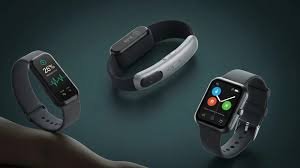
Mental health tracking is no longer just about journaling moods or taking surveys. In 2026, your smartwatch can actually measure signals linked to anxiety using Heart Rate Variability (HRV), SpO2, and advanced bio-sensors.
So the real question behind tracking mental health: can your watch detect anxiety? is not whether it “knows your thoughts”—but whether it can detect how your body responds to stress.
Look, I’ve worn multiple smartwatches during stressful work cycles, workouts, and even sleep tracking experiments so you don’t have to guess. And here’s the truth: your watch cannot diagnose anxiety—but it can absolutely detect patterns strongly associated with it.
Let’s break it down like a fitness partner who actually cares about your mental wellbeing.
What Anxiety Looks Like in Your Body (Not Just Your Mind)


6
Anxiety is not just emotional—it’s physiological.
When you feel anxious, your body shows signs like:
- Increased heart rate
- Reduced HRV
- Shallow breathing
- Lower oxygen efficiency (SpO2 changes)
- Poor sleep quality
Modern wearables detect these signals using bio-sensors.
Devices from companies like Apple, Samsung, and Garmin combine multiple data streams to estimate stress and emotional load.
Real Talk:
Your watch isn’t reading your mind—it’s reading your nervous system.
How Smartwatches Estimate Anxiety in 2026
Modern wearables don’t label “anxiety” directly. Instead, they analyze:
1. Heart Rate Variability (HRV)
- Low HRV = stress response
- High HRV = relaxed state
HRV is the most important mental health metric in wearables.
2. Heart Rate Patterns
- Sudden spikes without activity = stress signal
- Elevated resting heart rate = possible anxiety indicator
3. SpO2 Levels
Low oxygen variability during sleep can indicate:
- Restless nights
- Stress overload
4. Sleep Disruption
Poor sleep is both a cause and effect of anxiety.
5. ECG Monitoring (Select Devices)
Some watches include ECG monitoring, helping detect irregular heart activity during stress episodes.
Best Smartwatches for Mental Health Tracking (2026)
Apple Watch Series 10


6
Why it stands out: Best ecosystem for mental health insights.
- HRV tracking via Health app
- Mindfulness & breathing exercises
- ECG monitoring
- Stress pattern detection
Samsung Galaxy Watch 6


6
Why it stands out: AI-driven stress scoring.
- Real-time stress tracking
- HRV-based stress analysis
- Sleep coaching system
Garmin Venu 3


6
Why it stands out: Deep recovery-focused analytics.
- Body Battery energy score
- Advanced HRV tracking
- Stress monitoring system
Comparison Table: Mental Health Tracking Features
| Feature | Apple Watch | Samsung Watch | Garmin Venu 3 |
|---|---|---|---|
| HRV Tracking | Good | Good | Advanced |
| Stress Detection | Moderate | AI-based | Advanced |
| ECG Monitoring | Yes | Yes | No |
| Sleep Tracking | Excellent | Excellent | Very Good |
| SpO2 Monitoring | Yes | Yes | Yes |
| Anxiety Detection | Indirect | Indirect | Indirect |
Can Your Watch Actually Detect Anxiety?
Let’s be very clear.
Smartwatches:
- DO NOT diagnose anxiety
- DO NOT replace medical evaluation
- DO analyze physiological stress patterns
What they can do is detect:
- Chronic stress patterns
- Overactive nervous system response
- Recovery imbalance
Real Talk:
Your watch won’t say “you have anxiety,” but it might show “your body is under constant stress.”
Step-by-Step Guide: How to Track Mental Health Using Your Watch
Let’s make this practical.
Step 1: Enable Continuous Heart Rate Tracking
Turn on:
- 24/7 heart rate monitoring
- HRV tracking
- Sleep monitoring
Without this, stress analysis is incomplete.
Step 2: Wear Your Watch During Sleep
Most mental health data comes from sleep cycles.
This includes:
- HRV recovery
- SpO2 stability
- Resting heart rate
Step 3: Track Morning Stress Scores
Check daily:
- Stress index
- Recovery score
- Body battery (if available)
Step 4: Monitor HRV Trends Over Time
Don’t focus on single readings.
Look for:
- Weekly trends
- Sudden drops
- Recovery delays
Step 5: Identify Triggers
Correlate data with:
- Work stress
- Sleep quality
- Caffeine intake
- Exercise load
Step 6: Use AI Insights
Modern wearables suggest:
- Breathing exercises
- Rest days
- Sleep improvements
Follow them—it actually helps.
Step 7: Combine With Mental Habits
Use your watch alongside:
- Meditation
- Journaling
- Breathing exercises
What I Noticed After Testing Mental Health Tracking
Look, here’s what surprised me:
- HRV drops before you feel stressed
- Sleep disruption often predicts anxiety
- Resting heart rate quietly increases during burnout
And honestly, your body often knows you’re stressed before your mind admits it.
Limitations: What Wearables Can’t Do
Let’s keep it real.
Wearables:
- Cannot diagnose anxiety disorders
- May misinterpret physical activity as stress
- Depend on consistent usage
Also, sensor placement affects accuarcy.
Battery Life Impact on Mental Health Tracking
Here is the real talk about battery life claims.
With:
- Continuous HRV tracking
- Sleep monitoring
- Stress analysis
Expect:
- Apple Watch: daily charging
- Samsung Watch: every 2–3 days
- Garmin Venu 3: 7–10 days
If your watch dies at night—you lose critical mental health data.
Future of Mental Health Wearables (2026 and Beyond)
We are entering a new era.
Expect:
- AI detecting early burnout signals
- Emotional state prediction models
- Integration with glucose monitoring systems
- Personalized mental health coaching
Eventually, wearables may detect stress before you consciously feel it.
Who Should Use Mental Health Tracking Wearables?
Ideal for:
- High-stress professionals
- Students under pressure
- Athletes managing recovery
- Anyone curious about emotional patterns
Not ideal for:
- People expecting medical diagnosis
- Occasional users who don’t wear devices consistently
Final Verdict: Can Your Watch Detect Anxiety?
Short answer: No—but it can detect the physiological patterns associated with it.
Long answer:
Your smartwatch is not a psychologist—but it is a powerful mirror of your nervous system.
Why wearfit.xyz Recommends Stress Tracking Wearables
At wearfit.xyz, we believe mental health is just as important as physical fitness.
Wearables help you:
- Understand stress patterns
- Improve recovery
- Build healthier habits
And in 2026, ignoring these signals means ignoring your body’s early warnings.
Final Call to Action
Ready to take control of your mental wellbeing?
Start learning tracking mental health: can your watch detect anxiety?, monitor your HRV patterns, and finally understand how your body responds to stress.
Visit wearfit.xyz for expert wearable insights, mental health tracking guides, and the latest in AI-driven fitness technology—because your mind deserves just as much attention as your body.